Blog

Blog

Qatar Central Bank ESG Reporting Requirements for Financial Institutions

Qatar Central Bank has moved sustainability reporting from a voluntary practice into a formal regulatory requirement. Banks and insurance companies now need to prepare for reporting periods beginning 1 January 2026 under the new Sustainability Reporting Framework, built on ISSB standards. At Finsoul Network Qatar, we work with financial institutions that need a clear, practical path from regulation to compliant reporting, not just another general explanation of what ESG means. This guide covers who the framework applies to, what IFRS S1 and IFRS S2 require, the four disclosure pillars, the data institutions need to collect, and the steps to build a reporting process that satisfies QCB expectations from the first reporting year onward. Which Financial Institutions Fall Under QCB ESG Reporting Requirements The framework applies broadly across the regulated financial sector, but the exact obligations differ depending on licensing and listing status. Institutions need to confirm their position before assuming a single set of rules applies to them. Banks Licensed by Qatar Central Bank Every bank operating under a QCB license sits inside the perimeter of the Sustainability Reporting Framework. This includes conventional banks, Islamic banks, and branches of foreign banks operating in Qatar. Reporting obligations apply regardless of institution size, though the pace of implementation may differ based on readiness. Insurance Companies Covered by the QCB Framework Insurance companies licensed by QCB are included alongside banks because their exposure to climate and social risk affects underwriting, claims, and investment portfolios in similar ways. The framework treats insurers as carrying comparable systemic importance to banks when it comes to sustainability related financial risk. Insurers should not assume the requirements are lighter simply because their business model differs from lending. What Changes for Listed Financial Institutions Banks and insurers listed on the Qatar Stock Exchange face an added layer of obligation because QFMA and QSE also maintain ESG disclosure expectations for listed companies. These requirements do not replace QCB reporting, they sit alongside it, so listed institutions need to reconcile timing, format, and content across regulators. A single internal disclosure calendar helps avoid duplicated submissions. QCB Framework vs QFCRA Sustainability Rules Firms operating under the Qatar Financial Centre fall under QFCRA rather than QCB, and the two frameworks are not interchangeable. A financial institution with a QFC presence alongside a QCB license needs to identify which entity reports under which regime, since getting this wrong at the outset creates rework later. What ISSB Standards Does QCB Require QCB did not create a standalone ESG framework from scratch. Instead, it adopted IFRS S1 and IFRS S2, aligning Qatar with the same disclosure language used by regulators internationally. IFRS S1: General Sustainability Related Disclosures IFRS S1 requires institutions to disclose material sustainability risks and opportunities that could reasonably affect cash flows, access to finance, or cost of capital. Reporting covers governance, strategy, risk management, and metrics and targets as a connected set rather than separate topics.  IFRS S2: Climate-Related Disclosures IFRS S2 narrows the focus to climate, covering physical risks such as extreme weather and transition risks tied to policy, technology, and market shifts. Institutions must disclose climate strategy, scenario considerations, and greenhouse gas emissions across relevant scopes. The Four QCB ESG Disclosure Areas QCB structures its framework around four connected pillars. Each pillar builds on the previous one, so weak governance disclosure tends to weaken everything that follows it. Governance disclosures: Institutions must show who oversees sustainability risk at board and management level, not simply state that ESG is a priority. This includes reporting lines, accountability structures, and the skills available to assess climate and social risk properly. Strategy disclosures: This pillar covers how material risks and opportunities affect the business model, financial planning, and resilience under different scenarios. Institutions need to explain the actual business impact, not just list risks in isolation. Risk management disclosures: Banks must show how sustainability risks are identified, assessed, monitored, and mitigated within existing enterprise risk frameworks. This section connects directly to QCB’s ESG Supervisory Principles, which expect climate and social risk to sit inside risk appetite statements rather than outside them. Metrics and targets disclosures: This covers emissions data, climate indicators, portfolio level metrics, and progress against stated targets. Numbers need to be consistent year over year so that regulators and stakeholders can track real movement rather than one off figures. Identifying Material ESG Risks and the Data Behind Them Materiality assessment should never be treated as a checklist exercise disconnected from financial outcomes. The goal is to trace how an ESG factor moves through the balance sheet. Climate and environmental drivers: Extreme weather, water stress, and the shift away from carbon intensive sectors create exposure for lenders with concentrated portfolios. These factors need to be mapped against specific sectors and geographies within the loan book. Social and governance drivers: Labour practices, financial inclusion, data protection, and human rights considerations increasingly affect reputational and operational risk. Institutions should treat these as financial risk factors rather than purely ethical considerations. Environmental data: Scope 1, Scope 2, and Scope 3 emissions, energy use, water, and waste all need capturing, along with financed emissions across the lending and investment portfolio. Financed emissions require coordination with credit and portfolio teams, not just facilities management. Social and governance data: Workforce data, Qatarisation figures, health and safety, training, diversity, and customer protection metrics fall under this category. Board composition, ethics policies, anti-corruption controls, and whistleblowing mechanisms complete the governance side. Connecting ESG Reporting With Financial Risk Management QCB expects sustainability disclosure to link directly into existing risk processes rather than exist as a parallel report. This is where many institutions underestimate the amount of coordination required across departments. Integrating ESG Into Credit Risk Borrower assessment, sector exposure, and collateral valuation all need an ESG lens applied consistently. Lending criteria and pricing models should reflect climate and social risk factors where they are material to repayment capacity. QCB’s supervisory principles expect these factors inside credit processes, not treated as an afterthought during annual reporting. Integrating ESG Into Operational and Liquidity Risk

hr consultancy in qatar
Blog

Why Businesses in Qatar Need HR Consultancy Services in 2026

HR is no longer just recruitment and payroll for a business in Qatar. Companies now have to manage employment compliance, workforce planning, employee relations, Qatarisation and documentation at the same time, and the rules around all of these keep changing. This is one of the reasons firms like Finsoul Network Qatar are seeing more businesses ask for support in 2026. Qatar’s Law No. 9 of 2026 amended several parts of the Labour Law, and the Ministry of Labour has linked these changes to better labour market efficiency, oversight and compliance. A business that ignores this shift is taking on risk it does not need to carry. What Has Changed for HR Teams in Qatar in 2026? Companies cannot run HR the same way they did five years ago and expect it to hold up. Three shifts stand out this year and each one changes how a business should think about its people function. Labour Regulations Are Evolving Old contracts, handbooks and HR processes cannot be trusted to still meet current requirements. The 2026 amendments to the Labour Law mean businesses need regular reviews rather than a single compliance check done once and forgotten. A policy that was correct two years ago may already be outdated. Regulatory monitoring has to be an ongoing task, not a one-time project. Workforce Expectations Are Changing Employees now expect clear career paths, fair pay structures and real development opportunities. Businesses that ignore this see it show up directly in turnover numbers. Retention has become a competitive issue, not just an HR issue. Companies that fail to address it lose skilled staff to competitors offering better structure. Qatar Is Building a Future Ready Workforce Qatar’s national planning goals include a more competitive talent base, higher skilled employment and greater Qatari participation across the private and mixed sectors. This directly shapes how companies are expected to plan their workforce. A business hiring and managing staff without this context risks falling out of step with where the market is heading. Why Qatar Businesses Can No Longer Treat HR as Basic Administration Weak HR processes rarely stay small problems. They tend to spread into other parts of the business until leadership has no choice but to deal with them under pressure. Hiring mistakes get expensive fast. A wrong hire costs more than a salary. It costs training time, lost productivity and the cost of restarting the search. High turnover drains budgets. Constant replacement hiring pushes up recruitment costs and slows down every team that loses experienced staff. Payroll errors create legal exposure. Incorrect salary structures or missed WPS steps can turn into compliance issues that are far costlier than fixing the process itself. Poorly managed exits invite disputes. An employee who leaves on bad terms because of unclear documentation is far more likely to raise a formal complaint. Weak performance management hides real problems. Without KPIs or reviews, managers only notice underperformance once it has already hurt output. Reputation takes a hit. Word travels fast in Qatar’s business community, and a company known for weak HR struggles to attract good candidates. 7 Reasons Businesses in Qatar Need HR Consultancy Services in 2026 Most businesses do not need a full internal HR department to solve these problems. What they need is the right expertise applied at the right moment, which is exactly the gap consultancy fills. 1. To Keep Up With Qatar Labour Law Changes Regulatory monitoring, contract reviews and policy updates take time most owners do not have. A consultant tracks these changes as part of their job, so the business does not find out about a new requirement after it has already been breached. This is where an HR audit becomes valuable. It identifies gaps in documentation and process before they turn into disputes or fines. Businesses working with Finsoul Network Qatar often start with exactly this kind of audit. 2. To Build a Workforce That Supports Qatarisation Qatarisation works best when it is treated as workforce planning rather than a quota to satisfy. That means identifying the right roles, building development programmes and creating real progression paths for Qatari talent. Succession planning also falls under this. A consultant can map out which roles need local talent pipelines and how to build them over time rather than scrambling at the last minute. 3. To Recruit Skilled Employees Faster Finding specialised candidates, screening CVs properly and setting the right salary benchmark are time consuming tasks for a business without dedicated recruitment staff. Long hiring cycles cost momentum and often lose good candidates to faster-moving competitors. A consultant brings structure to this process through better job descriptions, focused screening and market-accurate salary data. This shortens the hiring cycle and improves candidate fit. 4. To Reduce Employee Turnover and Retain Talent Turnover usually has a root cause such as weak onboarding, unclear roles or inconsistent management, not bad luck. Replacing staff repeatedly without diagnosing the cause just repeats the same cycle. An HR consultant looks at exit patterns, manager feedback and compensation data to find what is actually driving people out. That diagnosis is worth more than another round of hiring. 5. To Strengthen Payroll, WPS and Employee Records Payroll accuracy, WPS processes and end-of-service calculations are areas where small errors create real legal risk. A missed step in WPS reporting or an incorrect end-of-service figure can turn into a dispute that costs far more than the original error. A consultant reviews these processes and closes the gaps before they become a problem for the business. Clean records also make audits and inspections far less stressful. 6. To Build Consistent HR Policies and Employee Procedures Generic templates downloaded from the internet rarely match Qatar Labour Law requirements or a company’s actual practices. Using them creates a gap between what is written and what actually happens day to day. A consultant builds policies around leave, attendance, discipline, grievances and termination that reflect both the law and the business’s real operations. This consistency protects the company if a dispute ever reaches a

Blog

Fixed Asset Management Software Qatar: Features, Benefits & Costs

Qatar continues to strengthen its position as an attractive destination for international investors, offering access to a growing economy, strong infrastructure, and a well-connected regional market. With foreign ownership of up to 100% available for eligible activities, the country offers flexible opportunities for entrepreneurs and companies looking to establish a presence in the Gulf. Setting up a business in Qatar involves more than registering a company. Investors need to select the right business structure, assess foreign ownership eligibility, secure the required registrations and licenses, and plan for tax and ongoing compliance. Finsoul Network Qatar provides business setup services in Qatar covering the key steps involved in establishing and registering a company.  Why Consider Business Setup in Qatar in 2026? Qatar offers several advantages for international businesses. Its strategic location provides access to the wider Gulf region, while its infrastructure, investment initiatives, and business-friendly reforms continue to support private-sector growth. One of the most important developments for foreign investors is the framework for foreign ownership above 49% and up to 100% in eligible activities. The exact ownership position depends on the business activity and applicable regulations, so investors should confirm eligibility before choosing a company structure. Qatar also operates free zones and other investment-focused business environments that can offer different ownership, tax, infrastructure, and operational advantages depending on the nature of the project. For businesses entering the Middle East, these factors make Qatar worth considering as both a local market and a regional base. What Business Structures Can Foreign Investors Use in Qatar? Choosing the right legal structure is one of the first decisions in company formation in Qatar. The appropriate option depends on your business activity, ownership requirements, investment plans, and how you intend to operate. Limited Liability Company A limited liability company is a common structure for businesses establishing commercial operations in Qatar. It can be suitable for investors who want to operate through a locally registered company while limiting shareholder liability. Foreign ownership may exceed the traditional 49% threshold for eligible activities, subject to the applicable foreign investment framework and approvals. Branch Office An overseas company may establish a branch in Qatar when it has a qualifying contract or business arrangement that meets the applicable requirements. A branch generally operates under the name of its parent company and carries out the activities specified in its registration documents. This structure can be useful for established international companies that want to expand their existing operations into Qatar rather than create a separate local entity. Representative Office A representative office can be considered by foreign companies that want to explore the Qatari market, promote their products or services, and develop business relationships without conducting full commercial operations. The activities permitted through a representative office are more limited than those of an operating company, so investors should assess their intended activities carefully before selecting this structure. Companies in Free Zones Qatar’s free zones provide another option for international investors, particularly businesses operating in sectors such as logistics, manufacturing, technology, and other targeted industries. Free zones can offer benefits such as 100% foreign ownership and specific tax or investment incentives, depending on the zone and eligibility requirements. How Does Business Setup in Qatar Work? The exact process varies according to the business structure, activity, ownership, and licensing authority. However, foreign investors will generally need to work through several key stages. 1. Define Your Business Activity Start by identifying exactly what your company will do in Qatar. Your activity affects the licenses you need, the approvals involved, and whether additional regulatory requirements apply. A clear activity description also makes it easier to determine the most suitable legal structure and registration route. 2. Choose the Right Company Structure Once the activity is established, select the structure that best matches your plans. Investors should consider ownership, liability, capital requirements, operational flexibility, and future expansion before making this decision. Getting this step right can prevent unnecessary changes later in the setup process. 3. Confirm Foreign Ownership Eligibility Foreign investors should confirm whether their proposed activity allows the level of foreign ownership they require. Qatar’s Ministry of Commerce and Industry confirms that foreign investors can own more than 49% and up to 100% in companies operating in activities covered by the relevant foreign investment legislation. Where additional approvals are required, these should be addressed before proceeding with incorporation. 4. Reserve the Company Name The proposed company name needs to comply with Qatar’s applicable naming requirements. Investors should select a name that is available and appropriate for the intended business activity. 5. Prepare the Incorporation Documents The documentation required will depend on the company type and ownership structure. Foreign investors may need corporate documents, shareholder information, identification documents, powers of attorney, and other supporting paperwork. Documents issued outside Qatar may also require appropriate authentication or legalisation before they can be used locally. 6. Obtain Commercial Registration and Licenses Once the relevant approvals and documents are in place, the business can proceed with commercial registration and licensing. Qatar’s Ministry of Commerce and Industry is responsible for commercial registration and licensing functions, including maintaining the Commercial Registry and reviewing commercial license applications. The business may also need additional approvals depending on its sector. Regulated activities can involve requirements from other government authorities. 7. Complete Tax and Post-Registration Requirements Setting up the company is not the end of the process. Businesses must also understand their tax and compliance obligations. Qatar generally applies a 10% income tax rate to taxable income, subject to the applicable tax rules and exemptions. In 2026, Qatar is also implementing the OECD Pillar Two global minimum tax framework for qualifying multinational enterprise groups, applying a 15% effective minimum tax rate to groups within its scope. Businesses should therefore assess their tax position at the planning stage rather than treating tax registration and compliance as an afterthought. What Documents Are Required for Company Formation in Qatar? The documentation varies based on the legal structure, ownership arrangement, and proposed business activity. Foreign investors should ensure that corporate and personal

Blog

Business Setup in Qatar 2026: Complete Guide for Foreign Investors

  Qatar continues to strengthen its position as an attractive destination for international investors, offering access to a growing economy, strong infrastructure, and a well-connected regional market. With foreign ownership of up to 100% available for eligible activities, the country offers flexible opportunities for entrepreneurs and companies looking to establish a presence in the Gulf. Setting up a business in Qatar involves more than registering a company. Investors need to select the right business structure, assess foreign ownership eligibility, secure the required registrations and licenses, and plan for tax and ongoing compliance. Finsoul Network Qatar provides business setup services in Qatar covering the key steps involved in establishing and registering a company.  Why Consider Business Setup in Qatar in 2026? Qatar offers several advantages for international businesses. Its strategic location provides access to the wider Gulf region, while its infrastructure, investment initiatives, and business-friendly reforms continue to support private-sector growth. One of the most important developments for foreign investors is the framework for foreign ownership above 49% and up to 100% in eligible activities. The exact ownership position depends on the business activity and applicable regulations, so investors should confirm eligibility before choosing a company structure. Qatar also operates free zones and other investment-focused business environments that can offer different ownership, tax, infrastructure, and operational advantages depending on the nature of the project. For businesses entering the Middle East, these factors make Qatar worth considering as both a local market and a regional base. What Business Structures Can Foreign Investors Use in Qatar? Choosing the right legal structure is one of the first decisions in company formation in Qatar. The appropriate option depends on your business activity, ownership requirements, investment plans, and how you intend to operate. Limited Liability Company A limited liability company is a common structure for businesses establishing commercial operations in Qatar. It can be suitable for investors who want to operate through a locally registered company while limiting shareholder liability. Foreign ownership may exceed the traditional 49% threshold for eligible activities, subject to the applicable foreign investment framework and approvals. Branch Office An overseas company may establish a branch in Qatar when it has a qualifying contract or business arrangement that meets the applicable requirements. A branch generally operates under the name of its parent company and carries out the activities specified in its registration documents. This structure can be useful for established international companies that want to expand their existing operations into Qatar rather than create a separate local entity. Representative Office A representative office can be considered by foreign companies that want to explore the Qatari market, promote their products or services, and develop business relationships without conducting full commercial operations. The activities permitted through a representative office are more limited than those of an operating company, so investors should assess their intended activities carefully before selecting this structure. Companies in Free Zones Qatar’s free zones provide another option for international investors, particularly businesses operating in sectors such as logistics, manufacturing, technology, and other targeted industries. Free zones can offer benefits such as 100% foreign ownership and specific tax or investment incentives, depending on the zone and eligibility requirements. How Does Business Setup in Qatar Work? The exact process varies according to the business structure, activity, ownership, and licensing authority. However, foreign investors will generally need to work through several key stages. 1. Define Your Business Activity Start by identifying exactly what your company will do in Qatar. Your activity affects the licenses you need, the approvals involved, and whether additional regulatory requirements apply. A clear activity description also makes it easier to determine the most suitable legal structure and registration route. 2. Choose the Right Company Structure Once the activity is established, select the structure that best matches your plans. Investors should consider ownership, liability, capital requirements, operational flexibility, and future expansion before making this decision. Getting this step right can prevent unnecessary changes later in the setup process. 3. Confirm Foreign Ownership Eligibility Foreign investors should confirm whether their proposed activity allows the level of foreign ownership they require. Qatar’s Ministry of Commerce and Industry confirms that foreign investors can own more than 49% and up to 100% in companies operating in activities covered by the relevant foreign investment legislation. Where additional approvals are required, these should be addressed before proceeding with incorporation. 4. Reserve the Company Name The proposed company name needs to comply with Qatar’s applicable naming requirements. Investors should select a name that is available and appropriate for the intended business activity. 5. Prepare the Incorporation Documents The documentation required will depend on the company type and ownership structure. Foreign investors may need corporate documents, shareholder information, identification documents, powers of attorney, and other supporting paperwork. Documents issued outside Qatar may also require appropriate authentication or legalisation before they can be used locally. 6. Obtain Commercial Registration and Licenses Once the relevant approvals and documents are in place, the business can proceed with commercial registration and licensing. Qatar’s Ministry of Commerce and Industry is responsible for commercial registration and licensing functions, including maintaining the Commercial Registry and reviewing commercial license applications. The business may also need additional approvals depending on its sector. Regulated activities can involve requirements from other government authorities. 7. Complete Tax and Post-Registration Requirements Setting up the company is not the end of the process. Businesses must also understand their tax and compliance obligations. Qatar generally applies a 10% income tax rate to taxable income, subject to the applicable tax rules and exemptions. In 2026, Qatar is also implementing the OECD Pillar Two global minimum tax framework for qualifying multinational enterprise groups, applying a 15% effective minimum tax rate to groups within its scope. Businesses should therefore assess their tax position at the planning stage rather than treating tax registration and compliance as an afterthought. What Documents Are Required for Company Formation in Qatar? The documentation varies based on the legal structure, ownership arrangement, and proposed business activity. Foreign investors should ensure that corporate and

social media marketing agency
Blog

How Social Media Marketing Agencies Help Businesses Grow in Qatar

  Qatar has one of the most digitally connected markets in the region. Internet penetration reached around 99% in October 2025. However, social media user identities stood at approximately 2.95 million, representing 94.3% of the population. It gives businesses a large digital audience to reach, but it also means competition for attention is high. For a business operating in Qatar, having an Instagram page or publishing a few posts each week is rarely enough. Customers discover a company through social media, compare it with competitors, visit its website, check reviews, and send a message before deciding to enquire. Every part of that journey needs to work together. A professional social media marketing agency can add value. Instead of treating social media as a content publishing task, Finsoul Network Qatar builds campaigns around specific business goals, develops content for relevant customer groups, manages paid advertising, and uses performance data to improve results.  What Does a Social Media Marketing Agency Do in Qatar? A social media marketing agency manages the planning, content, advertising, and performance side of a company’s social presence. For Qatar businesses, this also means adapting campaigns to the audience they want to reach rather than applying the same approach across every market. Social Media Strategy: A Qatar-focused strategy connects platform selection, content, audience targeting, and campaigns with specific commercial goals. Audience Research: Audience research helps identify the customer groups a business wants to reach, from Doha-based consumers and expatriate communities to professionals, visitors, and corporate decision-makers. Content Planning: A structured content plan gives the business a clear mix of educational, promotional, product, service, and brand content, rather than relying on random posts. Arabic and English Content: Bilingual content allows businesses to communicate more effectively with different audience segments while keeping the message and brand positioning consistent. Graphic and Video Content: Professional visuals can be used to showcase properties, products, facilities, services, projects, locations, events, and customer experiences in formats suited to each platform. Social Media Management: Ongoing management covers publishing, content scheduling, comments, messages, profile updates, and day-to-day audience interaction. Paid Social Advertising: Paid campaigns allow businesses to promote specific services, offers, events, products, or lead-generation activities to carefully defined audiences. Community Management: Prompt responses to comments and direct messages help businesses handle customer questions and maintain a more responsive online presence. Lead Generation Campaigns: Lead campaigns can guide potential customers towards enquiries, quotation requests, consultation bookings, calls, messages, or website forms. Performance Reporting: Reporting shows which content, audiences, platforms, and campaigns are contributing to traffic, enquiries, leads, and other business outcomes. Campaign Optimisation: Campaigns can be adjusted based on performance data, including audience targeting, creative assets, messaging, placements, and budget allocation. The purpose is not simply to keep a company’s social profiles active. It is to make social media a measurable part of the company’s marketing activity in Qatar. How Can a Social Media Marketing Agency Help Businesses Grow in Qatar? 1. Build a Strategy Around the Qatar Market A strong campaign starts with the business model, target customers, and commercial objective. A property developer, for example, may need campaigns designed around project awareness and qualified property enquiries. A restaurant may focus on local discovery, reservations, delivery, and promotional offers. A B2B company may have a longer sales cycle and need content that establishes expertise before a potential client contacts its sales team. A social media marketing agency can structure content and campaigns around these different objectives rather than using the same posting schedule for every business. 2. Reach Specific Customer Segments A large social media audience does not automatically translate into customers. For businesses in Qatar, audience targeting can be particularly important because the same company may serve several distinct customer groups. A campaign for a luxury property, for example, may require a very different audience and message from a campaign promoting an everyday retail product. Agencies can segment audiences using factors such as location, demographics, interests, professional characteristics, previous interactions, and campaign behaviour. This helps businesses spend their marketing budget on audiences that are more relevant to the service or product being promoted. 3. Create Content That Fits Qatar’s Audience Generic content can make a business look disconnected from the market it is trying to serve. Content for Qatar should reflect the company’s actual customers and operating environment. For some businesses, this may involve Arabic and English communication. For others, it may mean highlighting local locations, services, projects, customer questions, events, offers, or industry issues relevant to Qatar. The content format also matters. Property businesses may benefit from walkthrough videos and project visuals. Restaurants can use food photography and short videos. Professional services firms can use expert-led educational content. B2B companies may benefit from LinkedIn articles, case studies, industry insights, and service explainers. 4. Select Platforms Based on Business Goals Being present on every social platform is not necessarily an effective strategy. DataReportal’s late-2025 figures show substantial potential advertising audiences across several platforms in Qatar, including around 2.31 million on YouTube, 2.40 million on Facebook, 1.70 million on Instagram, 1.80 million on LinkedIn, and 1.24 million on Snapchat. These are advertising-reach figures rather than direct measures of active users, so they should be used as market context rather than exact user counts. The right platform depends on the audience and objective. Instagram and TikTok may be useful for visually driven consumer campaigns, LinkedIn can be more relevant for B2B and professional services, while YouTube can support longer-form video and product or service education. An agency can help prioritise platforms, dividing the budget and content effort across channels that may not contribute to the company’s goals. 5. Turn Social Media Attention Into Enquiries Visibility only becomes commercially useful when interested users have a clear next step. A campaign promoting a service in Qatar might direct users to a dedicated landing page, WhatsApp conversation, enquiry form, phone call, or consultation booking. A property campaign may focus on viewing requests. A B2B campaign may encourage prospects to request a proposal or speak with a consultant. This requires more

Blog

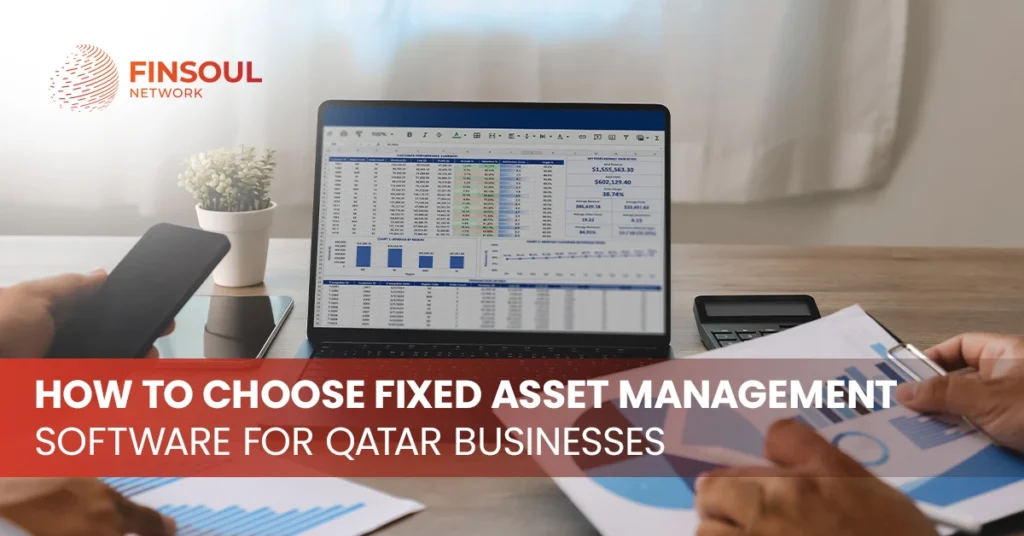
How to Choose Fixed Asset Management Software for Qatar Businesses

  Managing fixed assets becomes more challenging as a business grows. Equipment, vehicles, machinery, IT hardware, furniture, and other long-term assets all need to be recorded, tracked, valued, and eventually disposed of. When these activities are handled through spreadsheets or disconnected systems, it becomes harder for finance and management teams to maintain accurate records. Fixed asset management software in Qatar provides a more structured way to manage assets and connect operational records with financial information. The right software reduces manual work, improves visibility, supports accurate depreciation, and makes it easier to understand where business assets are and how they are being used. However, Finsoul Network Qatar chooses software should not be based on features alone. Businesses need to consider their asset portfolio, accounting processes, existing systems, reporting needs, and future growth before making a decision. What Should Businesses Expect From Fixed Asset Management Software in Qatar? The right software should support more than a basic list of company assets. It should help manage assets throughout their lifecycle, from acquisition and registration to depreciation, transfers, maintenance, and disposal. Before comparing providers, consider how your business currently manages fixed assets. Are records maintained in spreadsheets? Do finance and operations use separate systems? Is it difficult to identify where an asset is located? Are depreciation calculations handled manually? Understanding these challenges first will make it easier to identify software that solves actual business problems rather than simply offering a long list of features. Which Fixed Asset Accounting Features Matter Most? Accounting functionality should be one of the first areas businesses assess because fixed assets directly affect financial reporting. Automated Depreciation and Asset Valuation The software should support appropriate depreciation methods and keep asset values updated as transactions occur. This can reduce manual calculations and help finance teams maintain more consistent records. Asset Acquisition and Capitalization Look for a system that allows newly purchased assets to be recorded with relevant information such as acquisition cost, purchase date, asset category, and useful life. Transfers, Adjustments, and Disposals Businesses should also be able to record changes throughout an asset’s lifecycle, including transfers between departments or locations, adjustments, and eventual disposal. Strong fixed asset accounting functionality can help keep operational asset records aligned with financial information. How Can Fixed Asset Tracking Software Improve Asset Visibility? Knowing what assets a company owns is only one part of effective asset management. Businesses also need to know where assets are located, who is responsible for them, and whether they are active, under maintenance, transferred, or retired. Track Assets Across Departments and Locations For businesses operating across multiple offices, branches, warehouses, or project sites, location-based tracking can make asset management considerably easier. Use Asset Tags and Identification Methods Barcode or QR code functionality can help employees quickly identify assets and update records without relying entirely on manual data entry. Maintain Responsibility and Status Records The system should make it easy to record which employee, department, project, or location is responsible for an asset and whether that asset is currently in use. A suitable fixed asset tracking software solution in Qatar can therefore give businesses a clearer view of their physical assets while reducing the administrative effort involved in keeping records up to date. Why Does a Centralized Fixed Asset Register Matter? A centralized asset register gives finance and management teams one reliable place to review important asset information. Keep Asset Information in One Place Instead of maintaining separate spreadsheets for different departments, businesses can organize asset information within a single system. Improve Record Accuracy A structured register can reduce duplicate records and make it easier to identify missing or outdated information. Make Audits and Reviews Easier When asset details, depreciation information, locations, and transaction history are available in one place, internal reviews and financial processes can become more straightforward. For businesses looking to improve fixed asset management processes in Qatar, a centralized register can provide the foundation for better control and visibility. What Integrations Should You Check Before Choosing Asset Software? Your asset management system should fit into your existing technology environment rather than creating another isolated database. If your business already uses accounting software or an ERP system, check whether the asset solution can integrate with those platforms. Integration can reduce duplicate data entry and help maintain consistency between financial and operational records. Ask providers about supported accounting systems, APIs, data synchronization, migration options, and implementation requirements. A solution may have strong asset features but still create unnecessary work if it does not integrate well with your existing systems. Which Reporting Features Can Help Qatar Businesses Make Better Decisions? Effective reporting helps Qatar businesses understand their assets, monitor financial information, and make better decisions about budgets, maintenance, and replacements. Asset Values and Depreciation: Track asset values and depreciation to support accurate financial reporting. Assets by Department and Location: See where assets are assigned across departments, offices, branches, and operational sites. Asset Status and Utilization: Identify active, underused, under-maintenance, transferred, or retired assets. Acquisitions and Disposals: Monitor newly acquired assets and maintain records of assets that have been sold, retired, or disposed of. Replacement Planning: Identify aging assets and plan future replacements before they become a business disruption. Maintenance History: Keep maintenance records organized to support better asset planning and management. How Important Are Security and User Access Controls? Asset records may contain financial, operational, and employee-related information, so businesses should consider how access to the system is managed. Role-Based Access Different employees may require different levels of access. Role-based permissions can help ensure that users only have access to the functions and records relevant to their responsibilities. Audit Trails An audit trail can provide visibility into changes made to asset records, helping businesses understand when information was updated and by whom. Data Protection and Backups Ask providers how business data is protected, backed up, and recovered in the event of a technical issue. Should You Choose Cloud or On-Premise Asset Management Software? The right deployment model depends on the business. Cloud-based software can be useful for organizations that need

audit firms in qatar
Blog

Top 10 Audit Firms in Qatar for Businesses (2026 Updated)

  Choosing an audit firm in Qatar can be harder than it first appears. Businesses are not only comparing fees; they also need to consider the firm’s experience with their industry, reporting requirements, company size, and the level of support they expect throughout the audit process. The right audit services in Qatar may mean having a team that is easy to communicate with and understands the company’s day-to-day financial setup. Larger companies, on the other hand, may need auditors with experience in complex reporting, multiple entities, or international requirements.  Finsoul Network Qatar works with businesses for practical professional support as they manage their financial and business requirements. Our approach is to understand where a business currently stands and what it actually needs, rather than recommending services simply because they are commonly used. With several international and local auditing firms in Qatar, businesses have a wide range of options. This guide looks at 10 leading firms worth considering, what they are known for, and the factors businesses should review before selecting an auditor.   Quick Comparison of the Top Audit Firms in Qatar Audit Firm Generally Suitable For Key Strengths PwC Qatar Large companies and multinational groups Audit, assurance, reporting, advisory EY Qatar Corporates and complex organizations Audit, assurance, financial reporting KPMG Qatar Large and growing businesses Audit, assurance, risk Deloitte Qatar Large and complex organizations Audit, controls, assurance Grant Thornton Qatar Growing businesses and established companies Audit, assurance, advisory BDO Qatar SMEs and growing businesses Audit, reporting, assurance RSM Qatar SMEs, private companies, and international businesses Audit, assurance, tax, advisory Crowe Qatar Businesses needing audit and advisory support Audit, risk, tax, advisory Forvis Mazars Qatar Local and international businesses Audit, IFRS, accounting, advisory Baker Tilly Qatar Businesses seeking audit and professional services Audit, accounting, tax, advisory 1. PwC Qatar PwC is one of the largest global professional services networks and is a familiar name among audit companies in Qatar. Its broader range of professional services can be particularly relevant to larger organizations that need support beyond the annual financial statement audit. Companies with international operations may also value access to a wider network of professionals and expertise across different markets. Services to Consider PwC’s services can include: Financial statement audit Assurance services Accounting and reporting support Risk and controls Tax services Transaction and business advisory 2. EY Qatar EY is another major international firm with a significant presence in Qatar. Its assurance practice covers financial statement audits as well as areas such as financial accounting advisory, technology risk, and other assurance-related services. For businesses dealing with complicated reporting requirements, acquisitions, restructuring, or significant technology systems, access to broader assurance capabilities can be useful. What Can EY Offer? Its services may include: Financial statement audit — Independent examination of financial statements in accordance with the relevant reporting requirements. Financial accounting advisory — Support with accounting and reporting matters, including complex transactions and changes in reporting requirements. Technology and risk assurance — Services addressing technology-related risks, controls, and processes. Who Should Consider EY? EY may be a suitable option for larger companies, multinational businesses, and organizations that need audit support alongside more specialized financial or risk expertise. 3. KPMG Qatar KPMG is well established in Qatar and provides audit and assurance services to organizations ranging from growing businesses to large multinational companies. Its audit approach involves understanding the client’s business, industry, financial reporting, processes, risks, and internal controls rather than looking at the financial statements in isolation. Where KPMG Can Add Value KPMG may be considered by companies that need support with: Financial statement audits Assurance engagements Financial reporting Risk and controls Complex accounting matters Technology-related audit considerations A Good Option for Complex Businesses Businesses with multiple operations, more complicated reporting structures, or significant internal-control requirements may benefit from a firm with broad audit and risk capabilities. 4. Deloitte Qatar Deloitte has a long history in Qatar and offers audit and assurance alongside consulting, tax, financial advisory, and risk services. For businesses, one of the advantages of working with a large multidisciplinary firm is the ability to access different areas of expertise when an audit identifies a broader financial, operational, or risk-related issue. Deloitte’s Audit Focus Its audit and assurance capabilities can cover: External audit Financial reporting Controls assurance Accounting-related matters Risk and assurance Technology-enabled audit Best Suited To Deloitte may be particularly relevant to larger companies, groups with complex structures, and businesses that require audit support alongside broader risk, financial, or consulting services. 5. Grant Thornton Qatar Grant Thornton is a well-known international professional services network with a presence in Qatar. Its assurance services cover financial statement audits and other forms of assurance and reporting support. The firm also offers advisory services, which can make it an option for companies that want to address business or financial issues beyond their standard audit engagement. Its Audit and Assurance Services Include Financial statement audits Financial statement reviews IFRS-related support Control reporting Other assurance engagements Why Businesses May Consider Grant Thornton Grant Thornton can be a useful choice for growing and established companies that want a combination of audit and advisory capabilities without necessarily choosing one of the largest global firms. It may also suit businesses that expect their requirements to expand as the company grows. 6. BDO Qatar BDO Qatar provides audit and assurance services for businesses with different reporting and financial requirements. Its approach places emphasis on understanding business risks and internal controls as part of the audit process. This can be particularly relevant for companies that want their audit to provide useful insight into financial reporting and control processes rather than treating it as a purely compliance-driven exercise. Key Areas of Support External audit: Independent examination of financial statements. Financial reporting: Support with reporting requirements and related accounting matters. Special-purpose audits: Audit work designed around specific requirements or circumstances. Non-statutory assurance: Other assurance engagements that fall outside a standard financial statement audit. Who May Choose BDO? BDO can be worth considering for SMEs, growing companies, and businesses looking for access

cybersecurity compliance Qatar
Blog

Cybersecurity Compliance in Qatar: What Financial and Fintech Firms Must Have in Place in 2026

  Financial institutions and fintech companies in Qatar depend on digital platforms to manage customer accounts, payments, financial information, and day-to-day operations. With so much business activity taking place through connected systems, a security issue can affect far more than a single device or application. Cybersecurity needs to be considered alongside compliance, risk management, and business operations. Firms need clear policies, controlled access to sensitive information, secure systems, regular security checks, and a plan for responding to incidents. However, cybersecurity compliance in Qatar can help financial and fintech businesses identify weaknesses in their current setup and take practical steps to address them.   Why Cybersecurity Compliance Matters for Financial and Fintech Firms in Qatar Financial businesses handle information that can have serious consequences if it is exposed, altered, or misused. Customer records, payment information, account details, business data, and internal financial systems all require appropriate protection. A cybersecurity incident can also affect normal business operations. For example, an attack that disrupts a payment platform or compromises an internal system can affect customers, employees, suppliers, and business partners. For fintech companies, the risks can be broader because many services depend on applications, APIs, cloud infrastructure, and third-party technology providers. As a result, cybersecurity needs to be considered as part of the overall risk management and compliance process rather than as a separate IT responsibility. Cybersecurity Requirements in Qatar for Financial Businesses Financial and fintech firms need to consider the cybersecurity expectations that apply to their activities, systems, data, and regulatory environment. While the exact requirements can vary depending on the nature of the business, several areas are important when assessing cybersecurity requirements Qatar businesses need to address. Governance and Cybersecurity Policies A business should have clear cybersecurity policies that define how information and technology systems are managed and protected. These policies should establish responsibilities, access rules, security procedures, and processes for dealing with cybersecurity risks. Management involvement is also important. Cybersecurity decisions should have clear ownership, with appropriate oversight of major risks, controls, and security issues. Risk Assessment and Security Controls Businesses should regularly assess the risks affecting their systems and information. This includes identifying critical applications, sensitive data, potential vulnerabilities, and the possible impact of security incidents. The results of a risk assessment can then be used to determine which security controls are required and where improvements should be prioritized. This approach allows businesses to focus resources on risks that could have the greatest effect on their operations. Data Protection and Information Security Financial and fintech businesses need appropriate controls for protecting sensitive information throughout its lifecycle. This includes controlling who can access information, how it is stored, how it is transferred, and when access should be removed. Access should be based on business requirements rather than being provided more widely than necessary. Encryption, secure data handling procedures, and regular access reviews can also help reduce the risk of unauthorized access or data exposure. Incident Detection and Response No security environment can eliminate every possible cyber threat. Businesses therefore need processes for identifying and responding to incidents when they occur. An incident response process should define how a security event is reported, assessed, contained, investigated, and resolved. It should also establish responsibilities so that employees know who needs to be informed and what actions need to be taken. What Fintech Companies in Qatar Need to Consider Fintech businesses often rely heavily on digital platforms and connected technologies. This creates cybersecurity considerations that may be different from those of traditional businesses. Applications, APIs, mobile platforms, cloud services, payment systems, and third-party providers can all introduce security risks. A weakness in one part of the technology environment can potentially affect connected systems or customer-facing services. For this reason, fintech cybersecurity in Qatar should address both the technology itself and the way that technology is managed. Securing Digital Platforms and APIs Customer-facing applications and APIs should be assessed for security weaknesses. Authentication, authorization, input validation, session management, and access controls are important areas to review. Regular security testing can help identify vulnerabilities before they result in a security incident. Businesses should also monitor changes to applications and integrations so that new risks are identified as systems develop. Managing Third-Party and Cloud Risks Fintech businesses commonly depend on external technology providers, cloud platforms, payment providers, software vendors, and other service partners. Third-party relationships should therefore be assessed from a security perspective. Businesses can review vendor security practices, access permissions, contractual requirements, data handling arrangements, and responsibilities in the event of a security incident. Cloud environments also require appropriate configuration and access management. Using a cloud provider does not remove the business’s responsibility to manage its own security controls and access. Cybersecurity Controls Financial and Fintech Firms Should Have in Place A practical cybersecurity program should include controls that protect systems, information, users, and business operations. The specific controls will depend on the organization’s risk profile and technology environment, but several areas deserve attention. Identity and access management helps businesses control who can access systems and information. User permissions should match job responsibilities, while unnecessary or outdated access should be removed. Multi-factor authentication provides an additional layer of protection where passwords alone may not be sufficient. It is particularly relevant for accounts with access to sensitive systems or information. Encryption helps protect sensitive information when it is stored or transmitted. Businesses should determine where encryption is appropriate based on the type and sensitivity of the information involved. Network and endpoint security helps protect devices, servers, networks, and other infrastructure used to support business operations. Security configurations should be reviewed and updated as needed. Vulnerability management involves identifying weaknesses in systems and applications and addressing them based on their potential impact. Regular vulnerability assessments and security testing can support this process. Security monitoring helps businesses identify unusual activity and potential threats. Monitoring should cover relevant systems and provide a process for reviewing and responding to security alerts. Backup and recovery controls are important for maintaining access to critical information and systems following a security incident,

manpower supply requirements
Blog

Qatar Manpower Supply License: Requirements, Documents & Application Process

  Qatar’s construction, oil and gas, hospitality, and logistics sectors depend on manpower suppliers to keep projects running. With new infrastructure and tourism developments continuing under Qatar National Vision 2030, the need for reliable workers is growing across the country. But supplying workers is not simply a matter of finding people and placing them on a project. Companies providing manpower in Qatar must meet specific licensing and regulatory requirements before they can operate legally. This is particularly important for businesses supplying workers to major projects and industrial areas such as Doha, Lusail, and Ras Laffan. For anyone planning to start or expand a manpower supply business in Qatar, knowing what is required upfront can help avoid licensing issues, delays, and compliance problems later. What Is a Manpower Supply License in Qatar? A manpower supply license is a specific activity licence issued through Qatar’s Ministry of Labour, alongside your commercial registration from the Ministry of Commerce and Industry (MOCI). It permits a company to recruit, sponsor, and supply workers to client businesses under a service contract without transferring the worker’s sponsorship to the client. This is an important distinction. The license only covers what it explicitly names, so a company approved for manpower supply cannot automatically operate as a recruitment agency or offer secondment services. Each of these is treated as a separate licensed activity, and mixing them up is one of the most common compliance mistakes new operators make. Manpower Supply Is Not the Same as Recruitment A recruitment or placement agency sources and screens candidates, then hands them off once the client hires them under its own sponsorship. A manpower supply company, on the other hand, keeps the worker on its own payroll and sponsorship permanently, “leasing” that worker out to client sites for the duration of a project or contract. The supplier stays responsible for wages, accommodation, visas, and legal compliance throughout. Manpower Supply Is Not the Same as Secondment Secondment is a separate Ministry of Labour work permit that lets a worker already sponsored by one establishment work temporarily for another employer, capped at six months, while remaining on their original sponsor’s books. It’s a short-term arrangement between two employers, not an ongoing supply model, and it requires its own approval and attestation through the Labour Relations Department. Who Actually Needs to Meet These Manpower Supply Requirements? Companies that want to start a manpower or labour supply business in Qatar from scratch. Existing trading or contracting companies that want to add manpower supply as a licensed activity. Foreign investors setting up a Qatar entity specifically to service construction, oil and gas, hospitality, or facilities management clients. Businesses evaluating whether a manpower supply company Qatar vendor they’re about to sign is actually operating legally. That last group matters more than people assume. Any company hiring through a supplier inherits real exposure if that supplier’s paperwork isn’t in order, from work stoppages to Ministry of Labour penalties. Qatar Manpower Supply License Requirements Meeting the core requirements is what separates a licensed operator from an informal broker. Here’s what authorities typically expect before approving the activity. Commercial Registration (CR) With the Right Activity Code Your CR from MOCI has to specifically list manpower or labour supply as an approved activity. A general trading licence isn’t enough; the activity code has to match what you intend to do. Ministry of Labour Activity Approval Beyond the CR, the Ministry of Labour has to separately approve the manpower supply activity itself. This is the step that actually authorises you to sponsor and supply workers to third parties. Adequate Capital and, in many cases, a Bank Guarantee Licensing authorities want assurance that a supplier can cover salaries, accommodation, and repatriation costs even if a client contract falls through. This usually means demonstrating sufficient paid-up capital and, depending on the scale of operations, arranging a bank guarantee. A Registered Office Address A physical office in Qatar is required for registration and inspection purposes; a virtual address generally won’t satisfy the Ministry’s requirements for this activity. Establishment (Computer) Card Once your trade licence is confirmed, you’ll need an Establishment Card from the Ministry of Interior. This is what allows your company to sponsor employees and access Qatar’s immigration and visa systems, which is central to how manpower supply actually functions day-to-day. Sector-Specific Approvals (Where Applicable) If you plan to supply workers into regulated environments like oil and gas or major construction, expect additional QHSE documentation, trade certifications, and site-access clearances layered on top of the base licence. Documents Required for a Manpower Supply License in Qatar While exact document checklists can vary slightly by case, applicants are generally asked to prepare: Valid commercial registration (CR) application or existing CR Memorandum and Articles of Association Copies of shareholders’ and manager’s passports and Qatar IDs (where applicable) Proof of company capital and bank guarantee, if required Tenancy contract or title deed for the registered office Ministry of Labour activity application form Organisational chart and business plan outlining intended sectors and worker categories Any sector-specific certifications relevant to the industries you plan to serve Keeping this file complete and current is also what makes renewals and inspections far less stressful later on. From Application to Approval: The Licensing Process, Step by Step Reserve a trade name and choose a legal structure through MOCI; most manpower suppliers register as a limited liability company (WLL). Apply for initial commercial registration, listing manpower/labour supply as a specific licensed activity. Submit the manpower supply activity request to the Ministry of Labour, along with your capital proof, bank guarantee (if applicable), and office documentation. Receive Ministry of Labour approval for the activity, which is a prerequisite before your final trade licence is issued. Collect your final trade licence from MOCI once Labour approval comes through. Apply for your Establishment Card with the Ministry of Interior, enabling you to sponsor workers and process visas. Register for the Wage Protection System (WPS) with Qatar Central Bank, since every worker’s salary will need to run through

Blog

Is Your Company Ready for a Qatar Statutory Audit? A Practical Pre-Audit Checklist for SMEs

  A well-prepared business can enter the audit process with organized financial records, readily available supporting documents, and potential accounting issues already identified and addressed. Preparing in advance can help minimize delays, reduce repeated auditor queries, and give management greater confidence in the accuracy of its financial reporting. For SMEs operating in Qatar, understanding the statutory audit requirements Qatar businesses are expected to follow is an important part of maintaining annual financial compliance. Knowing what applies to your company, what records need to be maintained, and when audited financial statements may be required can help prevent last-minute compliance issues.   What Is a Statutory Audit in Qatar? A statutory audit is an independent examination of a company’s financial statements by an appropriately licensed external auditor. The purpose is to assess whether the financial statements have been prepared in accordance with the applicable financial reporting framework and present the company’s financial position and performance fairly. For companies operating in Qatar, the exact audit and reporting requirements depend on factors such as the company’s legal structure, registration authority, and regulated activities. Businesses may fall under requirements administered through bodies such as the Ministry of Commerce and Industry (MOCI), the Qatar Financial Centre (QFC), or other applicable regulatory authorities. The audit process typically involves reviewing the company’s financial statements and underlying accounting records, testing selected transactions, assessing controls and accounting treatments, and obtaining supporting evidence for significant balances and disclosures.   Who Needs a Statutory Audit in Qatar? There is no single audit requirement that applies identically to every business operating in Qatar. The obligation can depend on the entity’s legal form, registration framework, business activity, and applicable regulations. SMEs should therefore confirm the requirements that apply specifically to their entity rather than assuming that the rules for another company type will apply to them. Common categories that may have statutory audit or audited financial statement requirements include: Limited Liability Companies (LLCs): Companies established under Qatar’s commercial companies framework may have annual audit and financial reporting obligations depending on their structure and applicable requirements. QFC-registered entities: Businesses established within the Qatar Financial Centre operate under the QFC’s regulatory and reporting framework, which includes specific financial reporting and audit requirements for applicable entities. Free zone businesses: Companies operating in Qatar’s free zones may have financial reporting or audit requirements linked to their registration, licensing, or regulatory framework. Branches of foreign companies: Branches may have local financial reporting and audit obligations, in addition to reporting requirements imposed by their parent organization or home jurisdiction. Regulated or sector-specific entities: Certain businesses may face additional reporting or audit requirements because of the nature of their activities or the regulator overseeing them. Because requirements can change according to the entity and regulatory framework, businesses should verify their obligations with the relevant authority or a qualified audit professional well before the reporting deadline. Why Pre-Audit Preparation Matters for SMEs Audit preparation is not simply about making the auditor’s job easier. It helps management identify financial and documentation issues before they become audit findings. This is particularly important for SMEs, where one finance professional may be responsible for bookkeeping, reconciliations, payroll, reporting, and documentation. When financial records are maintained throughout the year but not reviewed systematically, small inconsistencies can accumulate. For example, an unreconciled bank balance may seem minor early in the year. By year-end, however, several months of unreconciled transactions can make it difficult to determine whether the difference relates to timing, errors, duplicate entries, or missing records. Early preparation can help businesses: Reduce the time spent responding to routine auditor queries Identify missing documentation before the audit begins Resolve accounting discrepancies earlier Improve the reliability of financial statements Reduce avoidable audit delays and additional work Demonstrate stronger financial controls and governance Make the year-end reporting process more predictable The Qatar Statutory Audit Pre-Audit Checklist Use the following checklist several weeks or months before the expected audit fieldwork. The earlier you identify gaps, the more time you have to resolve them without putting pressure on your finance team. 1. Make Sure Financial Records Are Complete and Reconciled Your auditor will need reliable accounting records to perform the audit efficiently. Before the audit starts, review whether your books are complete through the financial year-end. Check that: The general ledger is complete and up to date The trial balance agrees with the underlying accounting records Bank accounts have been reconciled Cash balances have been verified Revenue and expense transactions have been properly recorded Intercompany balances have been reconciled, where applicable Accruals and prepayments have been reviewed Unusual or significant journal entries have supporting explanations Don’t wait for the auditor to identify unexplained differences. Investigating them internally first gives your finance team a chance to correct errors while the relevant transactions are still easy to trace. 2. Organize Supporting Financial Documentation A clean set of accounts is not enough if the supporting evidence cannot be located. Create an organized audit file containing relevant documentation such as: Sales and purchase invoices Expense receipts and supporting documents Bank statements Customer and supplier agreements Lease agreements Loan and financing documents Major purchase and sale agreements Payroll records Relevant tax or statutory documentation Evidence supporting significant accounting entries Digital document management can make this process considerably easier. Files should be clearly named, categorized, and stored so that the finance team can retrieve them quickly when the auditor requests them. 3. Review Fixed Assets and Inventory Fixed assets and inventory can represent significant balances on an SME’s financial statements, so these areas should be reviewed before audit fieldwork. For fixed assets, check that: A current fixed asset register is maintained Assets recorded in the register still exist Additions and disposals have been recorded correctly Depreciation has been calculated consistently Supporting invoices are available for significant purchases If your business holds inventory, compare physical inventory records with accounting records and investigate material differences. Completing these checks before the audit can prevent unnecessary delays when auditors perform their own verification procedures. 4. Check Statutory and Regulatory Compliance Financial

Scroll to Top