
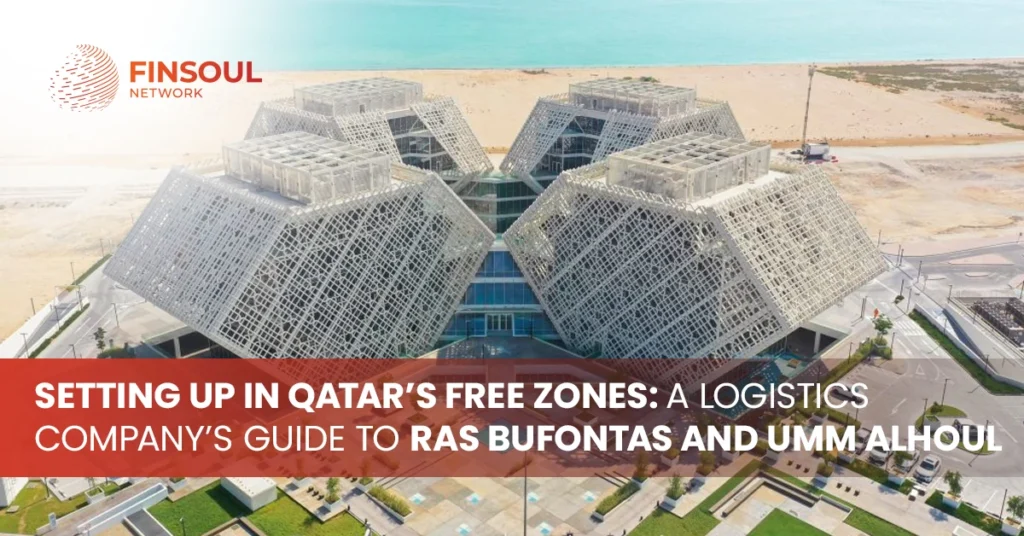
For logistics companies, location has a direct impact on delivery times, freight costs, customs handling and access to regional markets. Qatar’s free zones offer a strong base for companies that want to build warehousing, distribution, freight forwarding or supply chain operations.
With direct access to major air and sea gateways, the two main free zones serve different logistics needs. Ras Bufontas sits next to Hamad International Airport, while Umm Alhoul sits near Hamad Port.
Understanding Qatar’s Free Zone Structure
Qatar Free Zones Authority, commonly known as QFZ, oversees two main free zones in the country. Each zone has been developed around a different transport and industrial advantage. For a logistics company, understanding this difference before selecting a location can prevent unnecessary operating costs and help create a more efficient supply chain.
Ras Bufontas Free Zone
Ras Bufontas is Qatar’s airport free zone and covers approximately 4 square kilometres. It is directly adjacent to Hamad International Airport, making it suitable for businesses that depend on fast air cargo movement. The zone supports logistics, consumer products, light manufacturing, services, technology and pharmaceutical activities. Its location makes it particularly useful for high-value and time sensitive goods.
Umm Alhoul Free Zone
Umm Alhoul is the seaport-focused free zone located near Hamad Port. QFZ states that the zone covers approximately 32 square kilometres and focuses on areas including logistics, heavy manufacturing, industrial sectors and maritime activities.
Its location makes it suitable for companies that rely heavily on containerised cargo, sea freight, industrial materials and large equipment.
Why Logistics Companies Consider Qatar Free Zones
Qatar’s free zones have been developed around international connectivity, with access to air, sea and land transport networks. QFZ highlights access to more than 60 percent of the world’s population within eight hours of flying time and five days of sailing time. Main advantages for logistics businesses
- Air cargo access: Ras Bufontas offers proximity to Hamad International Airport, helping companies move urgent and high-value shipments through air freight with shorter internal transportation distances.
- Sea freight connectivity: Umm Alhoul sits next to Hamad Port and is designed for industries that depend on shipping routes, making it useful for container movement and large-scale freight operations.
- Regional distribution: Companies can use the zones as a base for receiving goods, storing inventory and distributing products into Qatar and international markets, subject to applicable rules and approvals.
- Integrated logistics infrastructure: QFZ identifies warehousing, third-party logistics, fulfilment, distribution centres, export processing and re-export among its logistics-focused activities.
- Access to established logistics operators: Major logistics companies have established facilities within the zones. FedEx opened a regional logistics facility at Ras Bufontas in 2025, while DHL Global Forwarding also inaugurated a facility there.
Steps to Set Up a Logistics Company in Qatar’s Free Zones
Setting up a logistics business requires more than selecting warehouse space. The company must establish an appropriate business structure, confirm its permitted activities, and complete the required licensing and operational procedures. A clear sequence makes the process easier to manage and reduces delays.
Step 1: Define the logistics activity
Start by identifying exactly what the company will do. Activities may include warehousing, freight forwarding, fulfilment, distribution, trading, transport support or re-export. The proposed activity should match the activities permitted within the selected free zone. QFZ advises potential investors to check its published permitted activities before proceeding.
Step 2: Select the appropriate free zone
Compare the expected cargo movement with the infrastructure available at each location. Air freight businesses may benefit more from Ras Bufontas, while sea freight and industrial logistics operations may find Umm Alhoul more suitable. The decision should also consider customers, warehouse requirements, transport costs, workforce needs and future expansion plans.
Step 3: Prepare the business application
The company will need to prepare information and documentation required for its establishment and licensing application. The exact requirements can depend on the proposed activity and company structure. Applicants should ensure that corporate documents, ownership information, business plans and other supporting records are complete before submission.
Step 4: Secure premises and operational facilities
A logistics company may require warehouse space, offices, loading areas, storage systems, vehicle access and other operational facilities. Umm Alhoul includes services, land plots and light industrial units, while Ras Bufontas is designed around airport-connected operations and logistics infrastructure.
Step 5: Complete licensing and approvals
After selecting the activity and premises, the business must complete the relevant licensing procedures and obtain approvals connected with its operations.
The exact requirements should be confirmed with QFZ and the relevant authorities because logistics operations can involve additional permissions depending on the goods, transport model and facilities involved.
Step 6: Establish customs procedures
Customs planning is an important part of a logistics setup. The company should establish clear procedures for receiving, storing, documenting and moving goods. QFZ highlights customs support and streamlined access to its logistics infrastructure as part of the free zone operating environment.
Step 7: Build the supply chain operation
Once licensing and premises are ready, the company can establish warehouse processes, inventory controls, transport arrangements and delivery procedures. Technology should also be considered at this stage. Warehouse management systems, barcode controls, shipment tracking and electronic documentation can improve visibility across the supply chain.
Costs Logistics Companies Should Plan For
The cost of establishing a logistics business in a free zone depends on the business model and physical requirements. A small freight forwarding office will have very different costs from a large distribution centre. Businesses should prepare a realistic budget before signing leases or committing to equipment.
- Company establishment costs
Budget for incorporation, licensing and professional support where required. The exact amount depends on the selected structure and business activity. - Premises and warehouse costs
Warehouse size, location, fit out requirements and lease arrangements can significantly affect the total investment. - Equipment costs
Forklifts, shelving, loading equipment, security systems, scanning devices and warehouse technology may be required for daily operations. - Staffing costs
Consider salaries, recruitment, work-related expenses and employee administration when preparing the operating budget. - Transport costs
Vehicle leasing, fuel, maintenance, freight contracts and last mile delivery arrangements can become major recurring expenses. - Technology costs
Inventory software, transport management systems, accounting platforms and shipment tracking tools can improve control but should be included in the initial financial plan.
Compliance Requirements for Logistics Businesses
Compliance should be considered from the beginning rather than after operations have started. Logistics companies often handle commercial documents, customer information, inventory records, and customs documentation. A proper compliance framework helps reduce operational disruption and supports stronger relationships with customers and suppliers.
Licensing and permitted activities
A company must ensure that its licensed activity corresponds with the services it actually provides. Expanding into another logistics service may require an additional approval or licence update. The permitted activity list should therefore be reviewed before launching new services.
Customs documentation
Import, export and re-export operations require accurate documentation. Incorrect descriptions, quantities, values or supporting documents can create delays and additional costs. A logistics company should maintain clear responsibility for document preparation, verification and record keeping.
Warehouse controls
Warehouse controls should cover goods receiving, inspection, storage, picking, dispatch and stock reconciliation. Regular inventory checks can identify shortages, damaged goods and documentation errors before they become larger financial problems.
Health, safety and site requirements
Warehouse and industrial operations require appropriate safety procedures. Businesses should assess equipment, storage arrangements, emergency procedures and employee training. Additional requirements may apply depending on the nature of the goods and the facilities being operated.
Technology for a Modern Logistics Operation
Technology can improve visibility from the moment goods arrive until they reach the customer. A logistics company entering Qatar should consider technology as part of its operating structure.
Warehouse management systems
A warehouse management system can help track inventory locations, receipts, picking, dispatches and stock balances. For businesses managing large volumes of products, automated records can reduce manual errors and provide faster access to inventory information.
Shipment tracking
Shipment tracking gives customers and management better visibility over deliveries. It can also help identify delays and improve communication with customers. Tracking systems become particularly valuable when a company handles multiple carriers or operates across several markets.
Data and reporting
Management reports can show order volumes, delivery times, warehouse utilisation, inventory turnover and logistics costs. These figures help management identify inefficiencies and make decisions about staffing, warehouse capacity and transport arrangements.
Common Mistakes to Avoid
Many logistics businesses focus heavily on the licence and location while giving less attention to the operational structure. This can create problems after the business starts trading. The following mistakes should be avoided during the planning stage.
- Choosing a zone without analysing cargo
The cheapest or most available location may not be the most efficient choice. Cargo type and transport method should guide the decision. - Underestimating warehouse requirements
Businesses sometimes calculate space only around current inventory and forget loading areas, offices, equipment and future growth. - Ignoring customs procedures
Poor customs planning can lead to delays and additional costs. Procedures should be established before regular shipments begin. - Starting without inventory controls
Weak stock records can cause losses, customer disputes and inaccurate financial reporting. - Treating compliance as a one-time task
Licences, records, permits and operational obligations may require ongoing monitoring. Management should assign clear responsibility for compliance.
How Finsoul Network Qatar Can Support Your Setup
Finsoul Network Qatar supports businesses with professional advisory services covering areas such as business consulting, financial management, legal and regulatory support, technology and operational improvement.
For a logistics company, professional guidance can help bring business planning, documentation, compliance and operational decisions together before the business begins full scale activity.
The focus should be on creating a clear setup plan based on the company’s logistics model, investment requirements and growth objectives.
Contact Finsoul Network Qatar
Starting a logistics company in a free zone requires careful planning across licensing, premises, customs, finance, staffing and daily operations. Getting these areas organised early can help prevent costly changes later.
If you are planning to establish a logistics operation in Ras Bufontas or Umm Alhoul, Finsoul Network Qatar can help you assess the business requirements and prepare a practical setup approach.
Email: info@finsoulnetwork.com
Conclusion
Qatar’s free zones provide logistics companies with access to important air and sea transport infrastructure. Ras Bufontas offers strong airport connectivity for time sensitive and high value cargo, while Umm Alhoul provides a strategic base for sea freight, industrial logistics and maritime related operations.
Choosing the right zone requires more than comparing locations. Companies should assess their logistics model, permitted activities, warehouse requirements, customs processes, technology and long term expansion plans. With the right preparation, Finsoul Network Qatar can help businesses approach the Qatar free zone setup process with greater clarity and stronger operational planning.
Frequently Asked Questions
Is Ras Bufontas suitable for logistics companies?
Yes. Ras Bufontas is designed around its proximity to Hamad International Airport and is suitable for logistics activities, especially businesses handling high value or time sensitive cargo.
Is Umm Alhoul suitable for freight forwarding?
Yes. Umm Alhoul is located near Hamad Port and has a strong focus on logistics, maritime activities and industrial sectors, making it suitable for businesses that rely on sea freight.
Can a logistics company operate in Qatar’s free zones?
Logistics is among the sectors supported by QFZ. However, the company must confirm that its proposed activity is included within the permitted activities and complete the relevant licensing requirements.
Which free zone is better for a distribution centre?
There is no single answer for every business. Ras Bufontas can be attractive for air cargo distribution, while Umm Alhoul can be more appropriate for sea freight and industrial distribution. The choice should be based on cargo type, customers and transport routes.
How long does it take to establish a logistics company?
The timeline depends on the business activity, company structure, documentation, premises and approvals required. Businesses should confirm the current process and requirements with QFZ before making operational commitments.